
Enhancing Your Paint Job With Proper Preparation
Priming before painting drywall is essential for a lasting and professional finish. Without priming, paint may not adhere properly, resulting in uneven surfaces or peeling paint over time. Priming helps to seal the porous surface of the drywall, ensuring that the paint appears even and vibrant. This process also minimizes imperfections and provides a smooth canvas for your final paint color. Whether you’re doing it yourself or hiring professionals, understanding why priming matters can significantly impact the quality of your results.
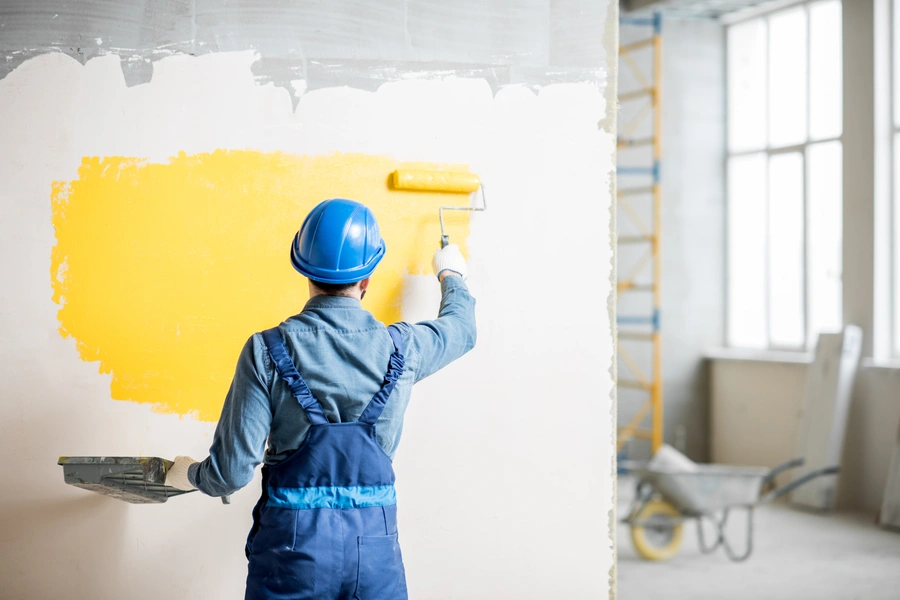
The Role of Primer in Painting Drywall
Primer plays a crucial role by preparing the surface for painting. It creates an adhesive layer that binds with the paint, allowing for better coverage and durability. By using primer, you reduce the number of paint coats needed, saving both time and resources. Moreover, it enhances the overall appearance by providing a uniform base, which is particularly important when applying light colors over darker walls.
A Cost-Effective Approach
Incorporating primer into your painting process might seem like an added expense but think of it as an investment. Using primer reduces the total amount of paint required, making the process more cost-effective in the long run. This means fewer cans of paint are necessary to achieve the desired look. Additionally, some primers are designed to tackle stains or odors, offering further savings on additional treatments or specialty paints.
Addressing Common Concerns About Painting Service
When considering a painting service, one may worry about time constraints and budget overruns. However, including priming in the service plan addresses these concerns effectively. A well-primed wall allows for a quicker application of paint, shortening project timeframes and reducing labor costs. This preparation step ensures that the final result meets high-quality standards without unnecessary delays or expenses.
Steps to Properly Prime Drywall
- Clean the drywall surface to remove dust and debris.
- Apply a single coat of primer using a roller or brush.
- Allow the primer to dry completely according to manufacturer’s instructions.
- Smooth out any imperfections with fine-grit sandpaper if needed.
- Proceed with applying your chosen paint color once satisfied with the primed surface.
Expert Tips for Optimal Results
To achieve optimal results when priming drywall, follow expert recommendations. Select a primer suited to your specific needs; for instance, use moisture-resistant primer in bathrooms. Ensure adequate ventilation during application to facilitate drying. Utilize quality tools such as rollers and brushes to evenly distribute the primer across the wall’s surface. These proactive steps will contribute significantly to a polished and enduring finish.
The Significance of Industry Standards
Adhering to industry standards when priming drywall ensures compliance and superior outcomes. Reputable painting services abide by these practices to deliver quality work consistently. Standards dictate not only the type of products used but also proper application techniques. Engaging services knowledgeable about these standards guarantees reliability and excellence in execution, giving customers peace of mind.
Weighing Costs Versus Benefits
- Initial investment in primer saves money on overall paint usage.
- Improved adhesion leads to longer-lasting paint jobs.
- Reduced need for frequent repaints due to enhanced durability.
- Professional-looking results elevate property value and curb appeal.
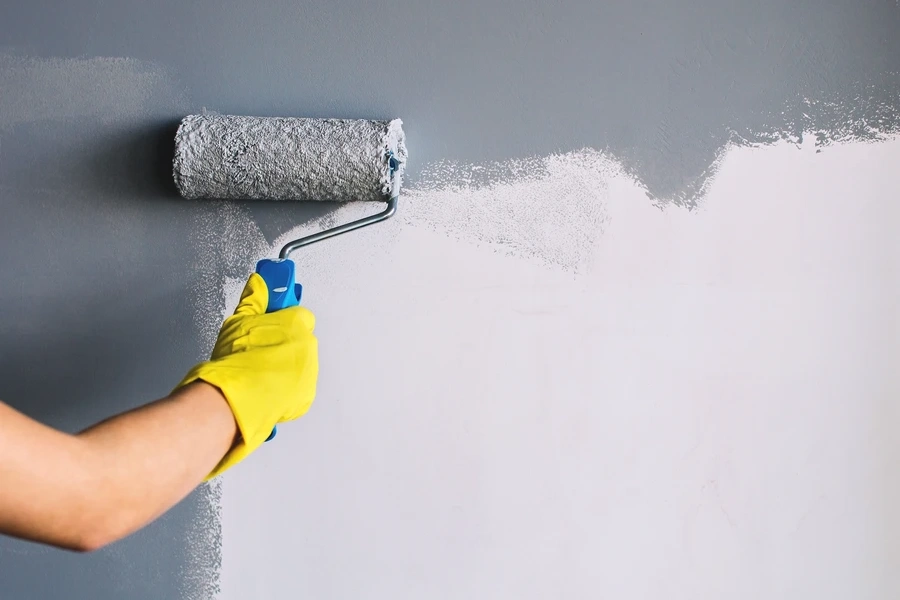
Your Path to Exceptional Results
If you’re ready to transform your space with professionally finished walls, consider contacting NCC Drywall at (707) 390-4621. Our team in Santa Rosa, CA delivers outstanding results tailored to meet your needs. Let us help you achieve beautiful and durable finishes for your home or business through our expert painting solutions.